

Guides
How to Sell Gold Coins in the UK
Jul
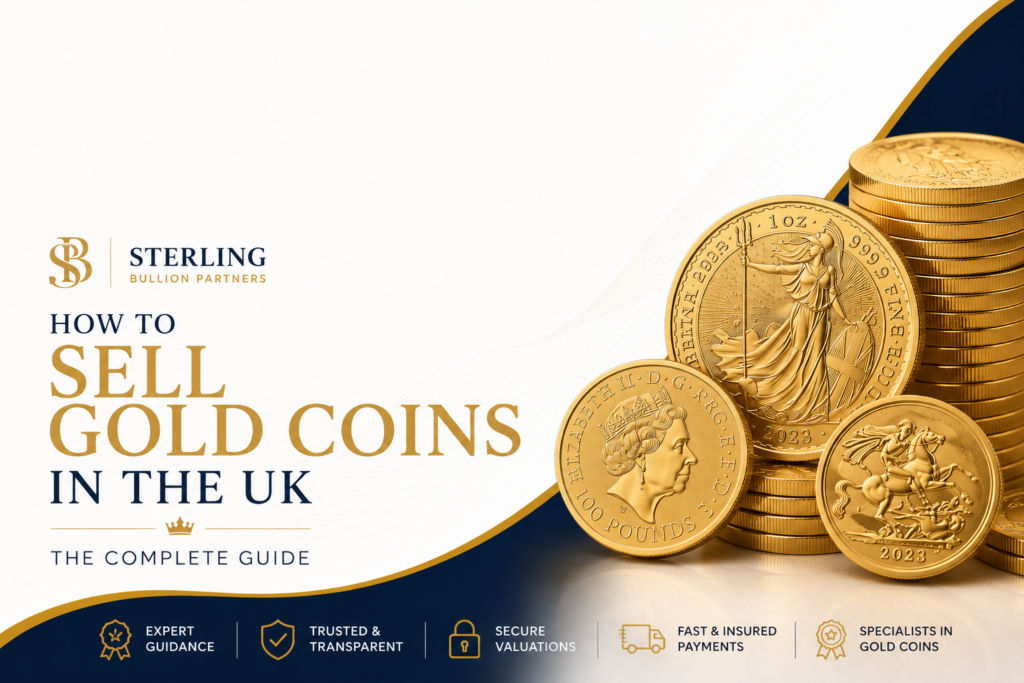
How to Sell Gold Coins in the UK: The Complete Guide
Whether you’ve inherited a gold coin, built a collection over many years or are simply looking to sell part of your collection, knowing how to sell gold coins is just as important as knowing how to buy them.
Although the live gold price plays an important role, the value of a gold coin can also be influenced by factors such as rarity, condition, collector demand and professional grading. Understanding these factors before selling can help you make a more informed decision and ensure your coins are valued appropriately.
This guide explains how gold coins are valued, where you can sell them, how to choose a reputable buyer and the common mistakes to avoid, helping you understand the selling process from start to finish.
How Do You Sell Gold Coins?
Selling gold coins is generally a straightforward process, but understanding exactly what you own before accepting an offer is essential.
Most reputable dealers will assess your coins based on:
- Gold content
- Weight
- Purity
- Condition
- Rarity
- Collector demand
- Professional grading (if applicable)
- Current market conditions
Once your coins have been assessed, you’ll usually receive a no-obligation valuation before deciding whether to proceed with the sale.
What Determines the Value of a Gold Coin?
Many people assume every gold coin is worth only its gold content. While this is often true for bullion coins, it’s not always the case.
Several factors influence the value of a gold coin.
Gold Content
The precious metal content forms the foundation of a coin’s value. As the live gold price changes throughout the day, the value of bullion coins generally moves with it.
Rarity
Coins with lower mintages, historical significance or limited availability often attract higher premiums than more commonly available issues.
Condition
Collectors are usually willing to pay more for coins that have been well preserved. Even small marks or signs of wear can affect value, particularly on proof and collectable coins.
Collector Demand
Some coin series become increasingly desirable over time. Strong demand from collectors can significantly increase the value of certain issues, particularly those with limited mintages.
Professional Grading
Coins authenticated and graded by independent companies such as NGC (Numismatic Guaranty Company) and PCGS (Professional Coin Grading Service) may achieve higher prices because their authenticity and condition have been independently verified using internationally recognised grading standards.
If you’d like to learn more about professional grading, our guides to Understanding Coin Grading, PCGS vs NGC and MS69 vs MS70 explain the process in more detail. You can also visit the official websites of NGC and PCGS for information about their grading standards.
Bullion, Proof and Certified Gold Coins
Understanding what type of coin you own is one of the most important steps before selling.
Bullion Coins
Bullion coins are primarily valued for their precious metal content. Popular examples include modern Gold Britannias and Gold Sovereigns produced by The Royal Mint.
Although their value generally follows the live gold price, supply and demand can influence the premium buyers are willing to pay.
Proof Coins
Proof coins are struck using specially prepared dies and polished blanks to produce exceptional detail and a mirror-like finish.
Many proof coins are released in limited numbers and are supplied in presentation packaging with a Certificate of Authenticity.
Because of their collectability, proof coins can often command premiums well above their gold content.
Certified Coins
Certified coins have been independently authenticated, graded and sealed in tamper-evident holders by professional grading companies.
Depending on rarity, demand and grade, certified coins may be worth considerably more than identical coins that haven’t been professionally graded.
If you’re unfamiliar with grading, our guides to Understanding Coin Grading, PCGS vs NGC and MS69 vs MS70 explain the process in more detail.
Where Can You Sell Gold Coins in the UK?
There are several ways to sell gold coins in the UK, and each option has its own advantages and disadvantages.
Specialist Gold Coin Dealers
For many sellers, a specialist gold coin dealer offers the most straightforward and secure option.
Unlike general precious metal buyers, specialist dealers understand both bullion and collectable coins. They can identify factors such as rarity, grading and collector demand, helping ensure that coins are valued appropriately.
Coin Auctions
Rare or highly collectable coins may perform well at specialist coin auctions where multiple buyers compete.
However, auction sales usually involve seller’s fees, can take longer to complete and there’s no guarantee of the final selling price.
Private Sales
Selling privately may sometimes achieve a higher price, but it also involves greater responsibility.
You’ll need to arrange payment securely, insure the shipment if posting the coin and ensure you’re dealing with a genuine buyer.
Online Marketplaces
Online marketplaces give sellers access to a large audience, but they also involve listing fees, selling commissions and the responsibility of accurately describing and securely shipping valuable items.
For many people, selling through an experienced specialist dealer provides greater convenience and peace of mind.
The best option depends on the type of coins you own, how quickly you want to sell and whether your priority is convenience, achieving the highest possible price or reaching specialist collectors.
Why Professional Grading Matters
Professional grading provides buyers with confidence that a coin is genuine and accurately assessed.
Independent grading companies examine factors including:
- Authenticity
- Surface preservation
- Strike quality
- Lustre
- Eye appeal
The coin is then assigned a numerical grade using the internationally recognised Sheldon Scale and sealed within a tamper-evident holder.
Because buyers know exactly what they’re purchasing, professionally graded coins often appeal to a wider market and may achieve stronger prices than comparable ungraded examples.
Should You Clean a Gold Coin Before Selling?
No.
Cleaning is one of the biggest mistakes a seller can make.
Even gentle polishing can leave microscopic scratches that permanently reduce the value of a collectable coin. Professional buyers almost always prefer coins in their original condition, even if they show minor signs of age or handling.
If you’re unsure whether a coin should be cleaned, the safest approach is to leave it exactly as it is.
Keep the Original Packaging
If your coin was originally supplied with:
- A presentation case
- A Certificate of Authenticity
- Original packaging
- Any accompanying documentation
it’s always worth keeping these items together.
Complete sets are often more desirable to collectors and may achieve higher prices than coins sold without their original accessories.
Why Expertise Matters When Selling Gold Coins
Not every gold coin should be valued in the same way.
For example, a modern bullion Britannia may be valued primarily for its gold content, while a limited edition proof coin or a professionally certified example could command a substantial premium because of its rarity, condition or collector demand.
An experienced gold coin specialist understands these differences and looks beyond the gold content alone. This helps ensure that collectable coins are assessed on their full market value rather than simply their precious metal content.
Choosing a Reputable Gold Coin Dealer
Choosing the right buyer is one of the most important parts of the selling process.
Before agreeing to sell your coins, it’s worth taking time to research the dealer. Checking independent customer reviews and ensuring the dealer specialises in gold coins can provide additional confidence before proceeding.
Look for a business that offers:
- Transparent pricing
- Clear communication
- Knowledge of bullion and collectable coins
- Positive independent customer reviews
- Secure payment methods
- Professional customer service
A reputable dealer should also be happy to explain how a valuation has been reached and answer any questions you may have before you decide whether to sell.
What Information Will a Dealer Need?
To provide an accurate valuation, most dealers will ask for some basic information about your coins.
This may include:
- Clear photographs of both sides of each coin.
- The year of issue.
- Details of any professional grading certificates.
- Whether the original presentation box and Certificate of Authenticity are available.
- The number of coins you wish to sell.
Providing clear photographs and accurate information allows a dealer to assess your coins more efficiently and may help speed up the valuation process.
Common Mistakes to Avoid When Selling Gold Coins
Many sellers unintentionally reduce the value of their coins by making avoidable mistakes.
Cleaning the Coin
Cleaning is one of the most common mistakes. Even careful polishing can leave microscopic scratches that reduce the value of collectable coins.
Throwing Away the Original Packaging
Presentation boxes and Certificates of Authenticity can add value to proof and limited edition coins. Always keep these items together where possible.
Assuming Every Coin Is Worth Its Gold Content
While bullion coins are primarily valued for their gold content, many proof and certified coins also carry collector value.
Understanding the difference could have a significant impact on the price you receive.
Accepting the First Offer
Taking the time to understand your coins and obtain a professional valuation can help you make a more informed decision before selling.
Mishandling Proof or Certified Coins
Proof coins should always be handled carefully and ideally remain in their original capsules or packaging.
Certified coins should never be removed from their grading holders, as doing so removes their certified status.
Frequently Asked Questions
Can I sell a single gold coin?
Yes. Most specialist dealers are happy to purchase individual gold coins as well as larger collections.
Are Gold Sovereigns easy to sell?
Yes. Gold Sovereigns are among the UK’s most widely recognised gold coins and are regularly bought and sold by dealers and collectors.
Are Gold Britannias easy to sell?
Yes. Gold Britannias are internationally recognised bullion coins and are actively traded throughout the UK.
Are certified coins worth more?
Not always. Professionally graded coins can command higher prices where rarity, condition and collector demand justify a premium.
Should I clean my gold coin before selling?
No. Cleaning can permanently reduce the value of many collectable coins.
Can I sell inherited gold coins?
Yes. Specialist dealers regularly assess inherited collections and can help identify bullion, proof and certified coins.
Do presentation boxes matter?
They can. Original presentation boxes and Certificates of Authenticity often increase the desirability of proof and limited edition coins.
Should I have my gold coins professionally graded before selling?
Not every coin needs to be professionally graded. While certification can add value to certain rare or collectable coins, many bullion coins are typically bought and sold based primarily on their gold content.
If you’re unsure, a specialist dealer can advise whether professional grading is likely to be beneficial.
How long does the selling process take?
This varies depending on the dealer and the type of coins being sold. Once a valuation has been agreed, many transactions can often be completed quickly.
Is there a best time to sell gold coins?
There is no single best time to sell. The value of bullion coins generally follows the live gold price, while collectable coins are also influenced by rarity, condition and collector demand. The right time to sell depends on your personal circumstances and the type of coins you own.
Final Thoughts
Selling gold coins doesn’t have to be complicated.
By understanding what affects a coin’s value, preserving it in its original condition and choosing a reputable buyer, you can approach the selling process with confidence.
Whether you’re selling a single Sovereign, a collection of Britannias or professionally certified coins, taking the time to understand the market is the best way to make an informed decision.
How Sterling Bullion Partners Can Help
Whether you’re selling a single gold coin or an entire collection, understanding exactly what you own is the first step towards making an informed decision.
At Sterling Bullion Partners, we specialise in gold coins, including bullion, proof and professionally certified examples. If you’re unsure what type of coins you have or would like guidance on their potential value, our team will be happy to help.
Our aim is to provide clear, honest information so you can make an informed decision, with no obligation to sell.
If you have any questions about selling gold coins or would like guidance on the type of coins you own, we’re always happy to help.
About Sterling Bullion Partners
Sterling Bullion Partners is a UK specialist in gold coins, helping customers buy, sell and own genuine gold coins with confidence.
We focus exclusively on gold coins, offering carefully selected bullion, proof and professionally certified coins from respected mints and leading grading companies.
Alongside our range of gold coins, our Knowledge Centre provides free educational guides covering buying, selling, grading and collecting, helping both first-time buyers and experienced collectors make informed decisions.
Recommended Reading
If you found this guide helpful, you may also be interested in:
- How to Buy Gold Coins in the UK
- Buying Gold Online Safely
- Bullion vs Certified Gold Coins
- Britannia vs Sovereign
- Understanding Coin Grading
- PCGS vs NGC
- MS69 vs MS70
Together, these guides provide a comprehensive introduction to buying, selling, grading and collecting gold coins, helping you make informed decisions whether you’re purchasing your first coin or managing an established collection.
